Equine thermography

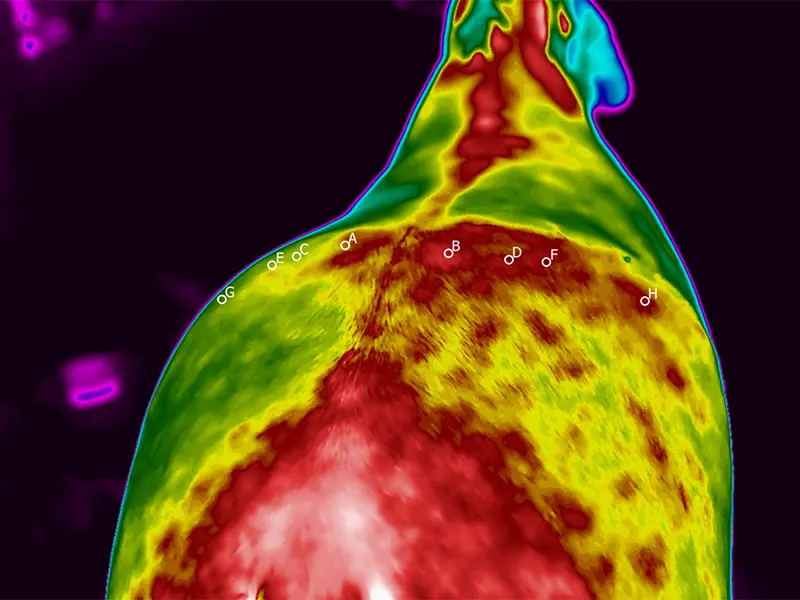
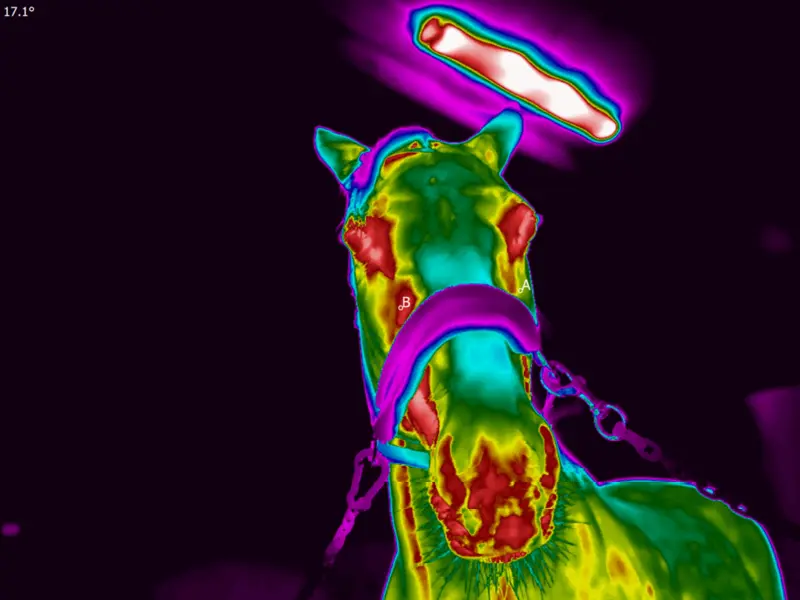
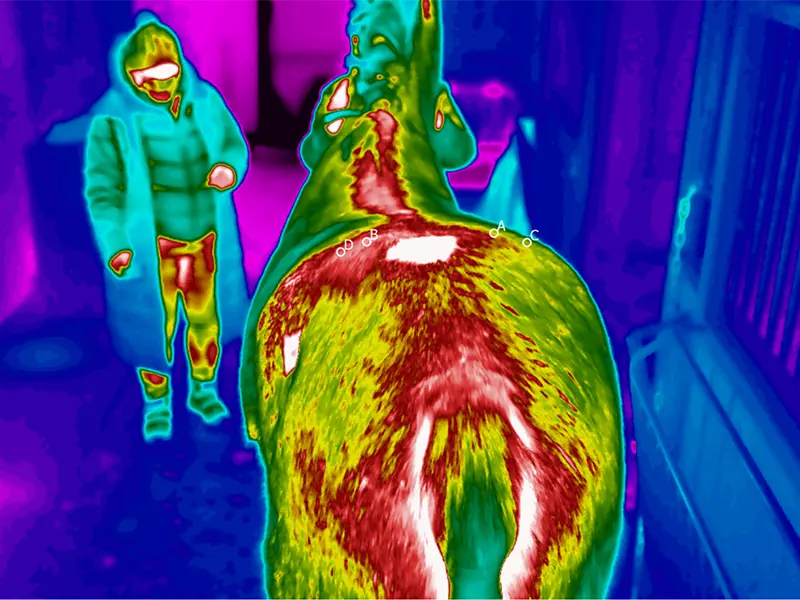
Equine thermography is a non-invasive and painless way to assess a horse’s health. It can be used to identify problems that may not be visible to the naked eye, such as lameness, muscle soreness, or inflammation in the horse’s joints.

Identify and assess

Thermal imaging can help to identify the source of pain and discomfort in a horse, which can aid in the development of a treatment plan.

It can be used to monitor the effectiveness of treatments, such as physiotherapy or medications, by allowing the veterinarian to see how the horse’s body is responding to the treatment.
Clinical uses of thermal imaging

  • Early injury detection

    Detect the location and extent of early lesions before they are clinically evident

  • Physiological Examination

    Thermography can be used to comprehensively examine animals in pain as well as rescue animals, since the animal is not touched during the examination

  • Early Diagnosis

    Localising problem areas for further examinations and appropriate treatment

  • Follow up treatment and rehabilitation

    Track and objectively monitor the effectiveness of treatment and the recovery progress during rehabilitation

  • Animal Friendly

    Thermography is an animal-friendly diagnostic tool, since it is not based on identifying pain reaction

  • Client Education

    Intuitive visual images aid in client communication and ease of understanding, and justifies your customer’s investment in IR imaging

Veterinary clinics & hospitals

Thermal imaging is revolutionizing diagnostics in veterinary clinics by offering a fast, non-invasive method to detect inflammation, circulatory issues, and musculoskeletal problems in animals. It enables early identification of conditions that may not be visible through traditional examination, improving treatment outcomes and reducing recovery times. This technology enhances diagnostic accuracy while minimizing stress for both animals and their handlers.

Horse racing

In horse racing, thermal imaging provides a critical edge by helping trainers and veterinarians monitor a horse’s physical condition in real time. It can detect early signs of injury or fatigue, allowing for timely intervention and tailored training programs. This proactive approach not only boosts performance but also safeguards the horse’s health, reducing the risk of race-day injuries.

Dressage

For dressage horses, where precision and balance are paramount, thermal imaging supports optimal performance by identifying subtle asymmetries or muscle strain that could affect movement. It aids in fine-tuning training routines and ensuring the horse’s comfort and symmetry, which are essential for achieving harmony between horse and rider. This technology promotes both peak performance and long-term well-being.

Alexander Thompson interview

The Dubai-based equine expert Alexander Thompson has used Thermidas thermal imaging systems since early 2024.

Watch Thompson’s interview to learn about his experiences, how he uses thermal imaging in conjunction with ozone therapy, and how thermography has helped him build his business.
Watch on YouTube »

Case examples

The portable all-in-one solution

Thermidas IRT-384

Compact and powerful.
Easy and versatile.

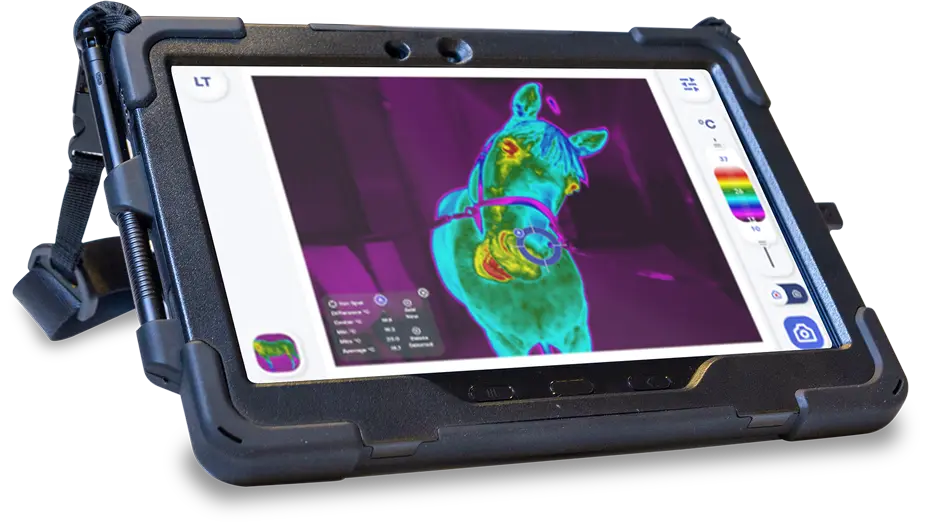
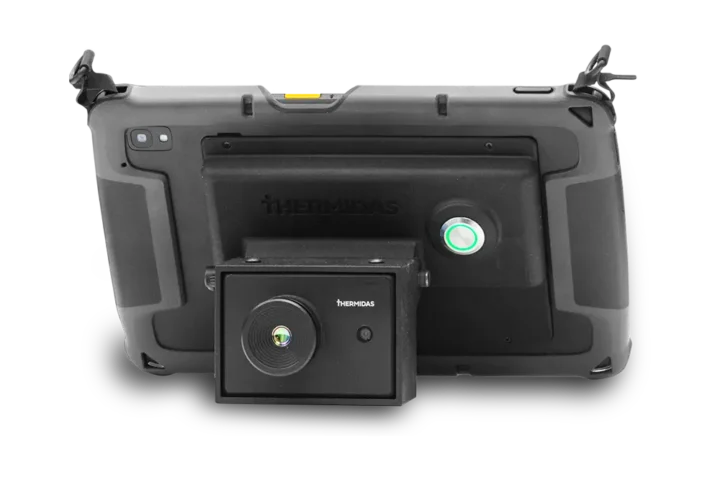
Thermidas IRT-384 Tablet is an astonishingly compact yet versatile thermal imaging system. Take it with you wherever you go and save the thermal images in the Thermidas cloud for further use.

Thermidas IRT-384 Pro Tablet in action at a local equine clinic

How can we help you?